
Why a 10-minute wait can feel like 30 – and eight hands-on ways to make waiting feel shorter, fairer and calmer in any service hall.
Visitors rarely judge a wait by the clock. They judge it by how it felt. Research on waiting going back decades points to the same conclusion: uncertain, idle and unfair waits feel far longer than they really are. The good news is that most of the causes can be fixed without adding a single counter.
1. Tell individuals how long they will wait
Uncertainty is the biggest multiplier. A visitor who knows the wait is approximately 12 minutes relaxes; a visitor who has no idea begins watching the door. Print the estimated wait time on the ticket and show it on the main display, so the number is always in sight.
2. Show progress
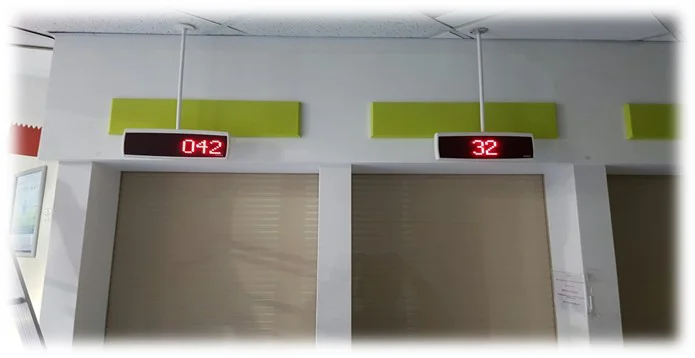
Seeing the queue move is reassuring, even when it moves slowly. Main displays that present the last called numbers, together with a chime and a spoken announcement from a sound box, prove that the system is working and that nobody is being forgotten.
3. Make the order visibly even-handed
Nothing angers a waiting lounge faster than somebody who seems to jump the line. A numbered ticket solves most of this. When you run priority services – elderly visitors, appointments, VIP clients – give them their own clearly named ticket series so everybody can see that a rule is being followed, not a favour.
4. Fill the empty time
Idle time feels longer than occupied time. Use the space between calls on your displays for valuable content: which documents to prepare, service hours, new products or health advice. Digital signage on the same screen as the queue keeps eyes on the screen without missing a call.
5. Start the service early
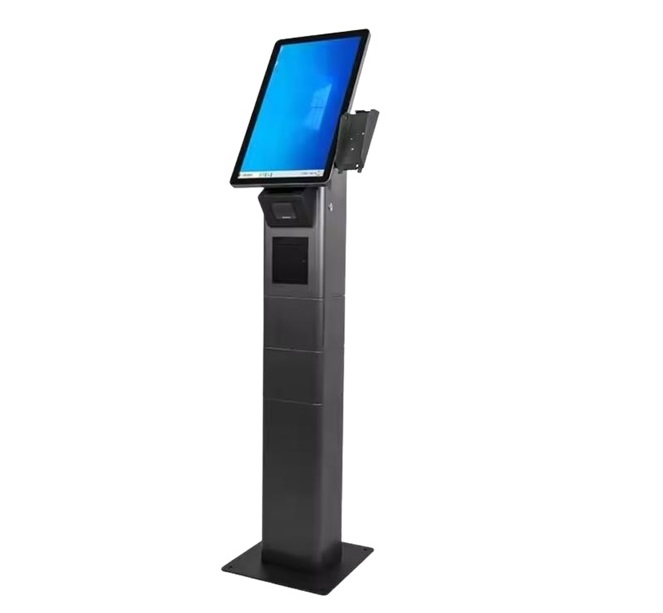
A wait feels shorter once the service has “started”. A kiosk that asks one or two questions, a form that can be filled in while waiting, or a pre-check of documents all give the visitor the sense of being in the process rather than in front of it.
6. Let individuals wait somewhere else
The best waiting lounge is the one individuals don’t have to sit in. With mobile ticketing, visitors join the line by QR code, follow their position on the phone and obtain an SMS when their turn is near – free to have a coffee rather than watching a screen.
7. Make the space comfortable
Seating, light, temperature and noise all change perceived wait time. Calling by number with clear audio announcement also means nobody needs to shout names across the hall, which keeps the room calmer and protects privacy.
8. End on a good note
Individuals remember how an experience ended. A friendly, well-prepared counter and a fast question on a feedback device right after service close the visit well – and tell you whether your changes are working.
Measure the real wait, manage the felt wait
Psychology doesn’t replace capacity. If waits keep growing, look at the numbers with the wait-time calculator and QVista analytics. But with the same personnel and the same visitors, the eight steps above can turn a tense waiting lounge into a calm one.
You may also like
What Waiting Really Costs: How to Calculate Queue Management ROI
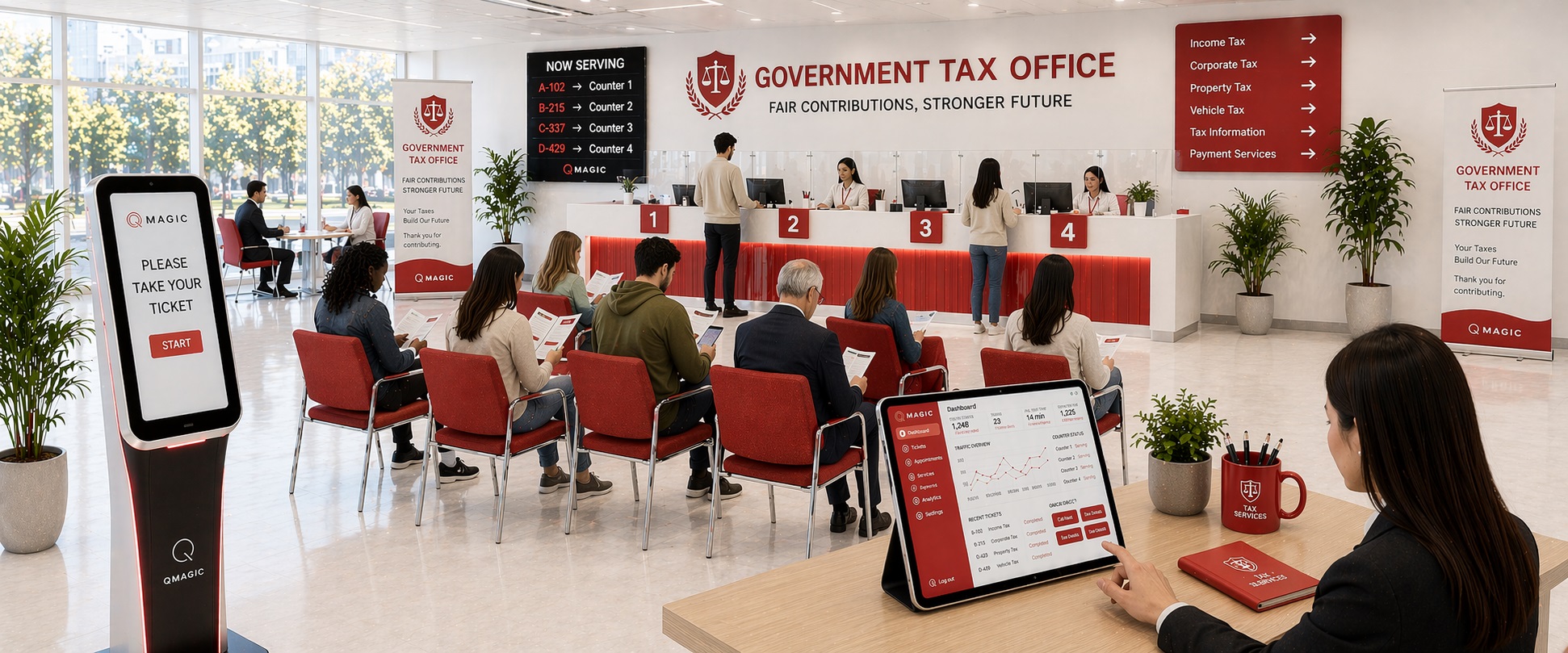
A simple framework to put a number on lengthy waits – lost clients, personnel time and complaints – and to estimate the return on a queue management system.
Queue Management for Bank Locations: Teller Lines, Advisors and VIP Service
How banks use queue management to separate fast transactions from advisor meetings, serve priority clients discreetly and personnel locations to real demand.
What Is a Queue Management System? A Hands-on Handbook
What a queue management system is, which parts it has, how it works one step at a time and how to tell whether your institution needs one.