

How universities handle registration peaks, student services and finance offices with ticketing, appointments and mobile queues – without hiring extra team.
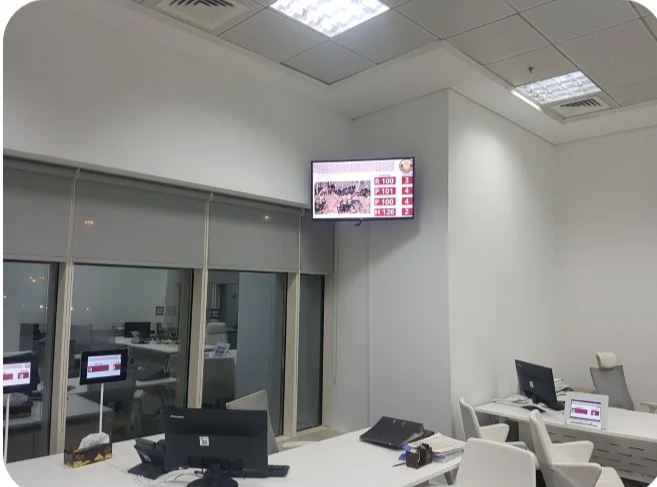
For most of the year a university student services office is quiet. After that enrolment week arrives: thousands of students, documents, fees and timetable questions in several days. Queues spill into corridors, team are overwhelmed, and the first impression of the university is a long wait. A queue management system flattens that peak.
Spread the peak with appointments
Numerous enrolment tasks can be scheduled. Open appointment slots by faculty or by surname range, so students arrive spread across the day rather than all at 9:00. Keep part of each hour for walk-ins and urgent cases.
Send each student to the appropriate desk first time
A big share of the queue at a central desk is students in the wrong place. A kiosk with clear service categories – admissions, finance, housing, international students, IT accounts – routes every ticket to the correct office or counter, with the destination printed on the ticket and shown on the displays.
Let students wait anywhere on campus
Students all have phones. With QR code ticketing, they join the line from a poster, follow their position and receive an SMS when their turn is near – free to go to the library or café rather than standing in a corridor.
One front door, numerous services
A “one-stop” student centre works only if fast questions don’t wait behind long cases. Separate categories for short and long services, and allow personnel to transfer a ticket to a specialist without the student taking a new one – the student keeps their place in the journey.
Plan next year with this year’s data
Enrolment repeats every year. Reports on arrivals per hour, service times per task and wait times per office show exactly where the bottlenecks were. Use them to schedule personnel, extend opening hours on the correct days and decide which tasks to move online.
Beyond enrolment
The same system serves exam offices, libraries, student health centres and campus bank locations all year round, managed from one place from one web interface. Read more on our education solutions page.
You may also like

Virtual Queue vs Physical Queue: Which Is Right for You?
The difference between virtual and physical queues, their pros and cons, and why most businesses end up combining the two.
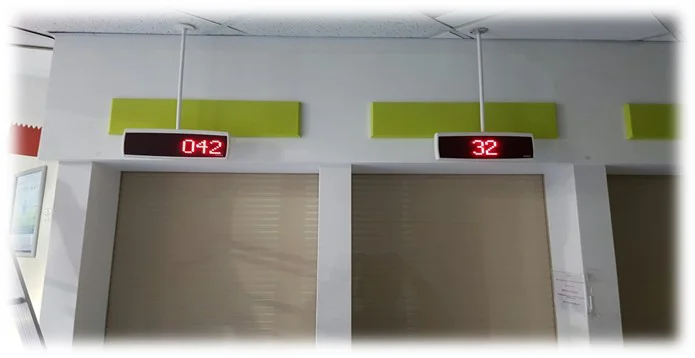
Queue Psychology: 8 Ways to Make Waiting Feel Shorter
Why a 10-minute wait can feel like 30 – and eight hands-on ways to make waiting feel shorter, fairer and calmer in any service hall.
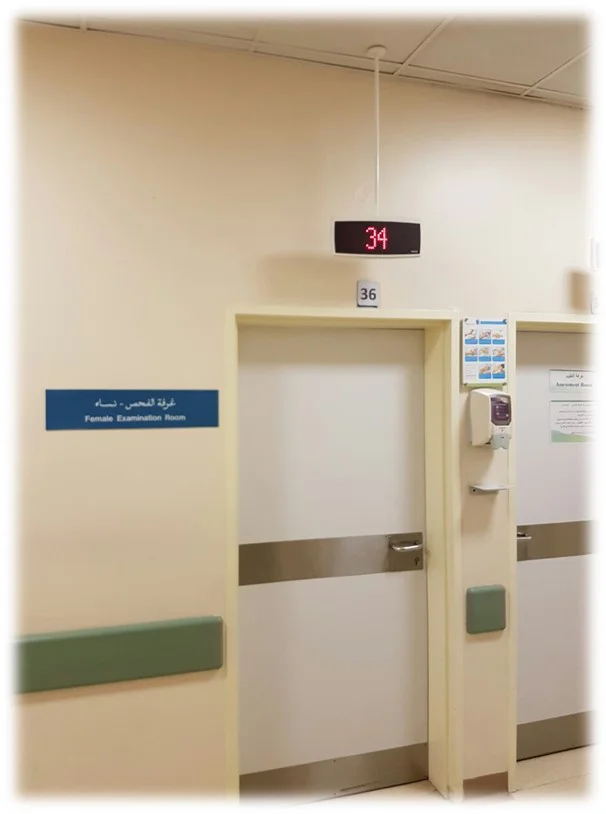
Queuing Theory for Service Managers: Little’s Law and Erlang C in Plain English
The two formulas behind every queue – Little’s Law and Erlang C – explained without the maths jargon, with worked examples for sites and medical centres.