

How ministries, municipalities and immigration offices use queue management systems to serve sizeable crowds fairly and plan staffing.
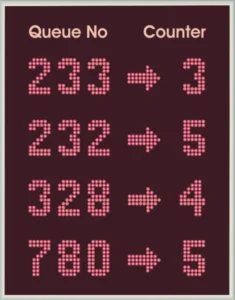
Public offices serve everybody – frequently in sizeable numbers, with strict procedures and little room to select when individuals arrive. A good queue system makes that pressure manageable and, just as importantly, displays citizens that the process is even-handed.
Make the order visible
When every ticket number and counter appears on a main display, nobody needs to wonder whether somebody jumped the line. Visible order removes a major source of conflict in waiting halls.
Route by service
Visa renewals, licences and record requests each need various documents and team. Service-based routing sends every visitor to a counter that can actually help, rather than a general line that ends in “you’re at the wrong desk”.
Handle priority with clear rules
Elderly service users, individuals with disabilities or urgent cases can be given priority automatically – the same way every time, at every branch.
Identify service users at the kiosk
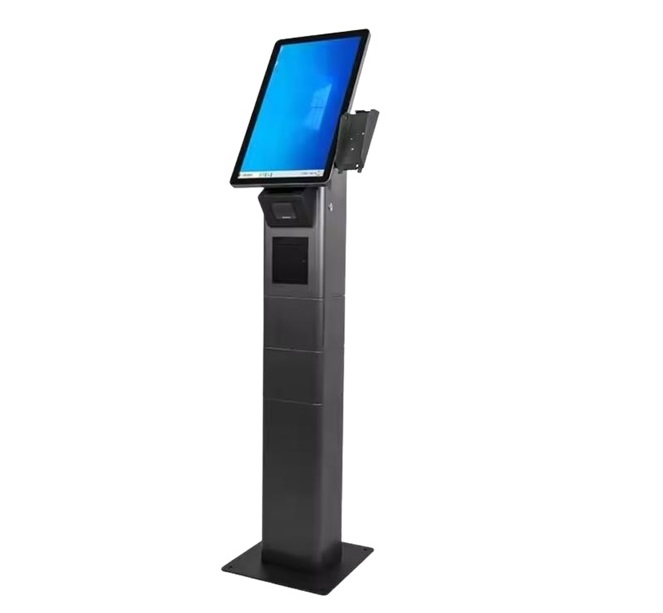
A national ID reader at the kiosk can look up the visitor and their appointment, speeding up service and reducing errors at the counter.
Plan with real data
Reports by branch, service and hour show exactly where and when more personnel are needed. Nationwide services can compare sites on one central platform.
Proven in the region
QVista systems run in ministries and government service centres throughout the GCC, including the UAE Ministry of Social Affairs and Ajman Government service centres. Take a look at our government solution for more.
You may also like
Sıramatik Nedir? Sıra Yönetim Sistemi Rehberi
Sıramatik ve sıra yönetim sistemi nedir, hangi parçalardan oluşur, nasıl çalışır? Kurum ve işletmeler için pratik rehber.
What Is a Queue Management System? A Hands-on Handbook
What a queue management system is, which parts it has, how it works one step at a time and how to tell whether your institution needs one.

7 Ways to Cut Patient Wait Time in Hospitals
Hands-on steps clinics and hospitals can take to shorten patient wait times, from multi-step patient flow to appointment mixing and live monitoring.